
Understanding the Basics of Cartridge Anatomy
The Complete Guide to Rifle Ammo Types, Ballistics, and Performance
When a target sits beyond the reach of a handgun or shotgun, rifle ammo bridges that distance with precision and power. It achieves this by channeling high-pressure gas from a burning propellant to launch a single, spin-stabilized projectile down a rifled barrel. That spin imparts gyroscopic stability, which is why rifle ammo delivers flatter trajectories and tighter groups at extended ranges. To use it effectively, match the cartridge’s bullet weight and velocity to your specific shooting task, then confirm your firearm’s chambering before loading.
Understanding the Basics of Cartridge Anatomy
To master rifle ammo, you must first decode its four core components. The case is the metal foundation, typically brass, which houses everything and expands to 6.5 PRC Ammo for Sale seal the chamber upon firing. The primer sits in the case head—strike it, and a chemical flash ignites the propellant, the powder charge that burns at a controlled rate to build pressure. That pressure then drives the bullet, the projectile seated at the case mouth, down the barrel. Crucially, the bullet’s shape and weight, the case’s neck tension, and the primer’s sensitivity all interact to determine velocity and accuracy.
You cannot troubleshoot a misfire or a poor group without first tracing which component failed—every click or bang starts here.
Learn to read headstamps and measure cartridge overall length, as these basics directly affect chambering and feeding reliability.

What’s Inside the Casing: Primer, Propellant, and Projectile Explained
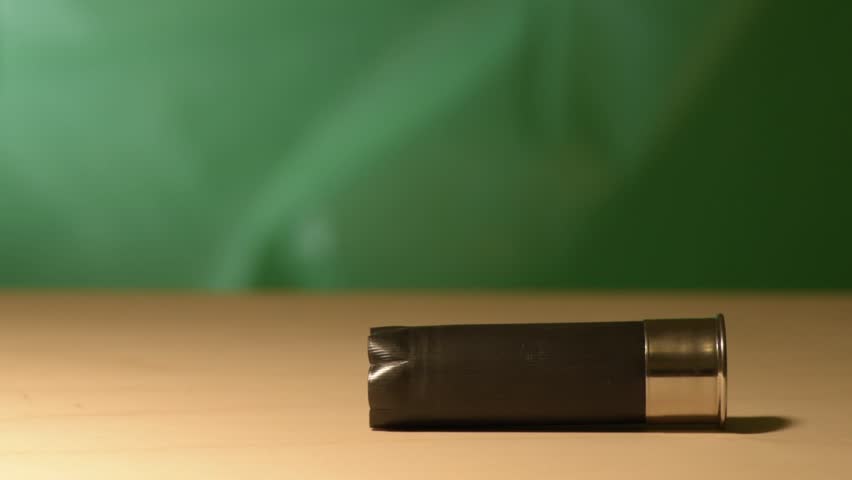
Inside the casing, the primer, propellant, and projectile form a self-contained sequence. The primer sits in the base, containing a shock-sensitive compound that ignites upon firing-pin impact. Its flash travels through the flash hole to ignite the propellant—a smokeless powder charge whose burn rate and grain shape determine pressure and velocity. This expanding gas drives the projectile, a single bullet seated at the neck, down the barrel. Neck tension holds the bullet securely, while case capacity and powder type directly affect accuracy and recoil. Seating depth and crimp are critical, as they influence ignition consistency, chamber pressure, and overall ballistic performance for your specific rifle.
How Bullet Weight and Grain Affect Downrange Performance
In the context of cartridge anatomy, bullet weight, measured in grains, directly dictates your projectile’s ballistic coefficient and time of flight. Heavier grains retain velocity better over distance, resulting in a flatter trajectory at extended ranges because their momentum resists wind drift effectively. Conversely, lighter grains depart faster, offering a flatter mid-range arc, but they shed speed quicker and are more susceptible to crosswinds. This is why a 168-grain match load outperforms a 55-grain varmint round beyond 300 yards. Precisely matching grain weight to your target distance and twist rate is the defining factor in rifle ammo’s downrange energy retention and precision.
Common Calibers and What They’re Actually Designed For
The .22 LR is designed for inexpensive training and small-game Shotgun Ammo for Sale hunting, not for defensive use. The .223 Remington, the parent of the 5.56 NATO, is optimized for flat trajectories and low recoil, making it the standard for varmint control and light tactical applications. The .308 Winchester, a commercial 7.62x51mm, is built for medium-to-large game and long-range precision, offering a balance of energy and manageable recoil. The .30-06 Springfield pushes heavier bullets faster, engineered for北美 big game like elk and moose, where deep penetration matters. Finally, the 6.5 Creedmoor excels at extended-range shooting with minimal wind drift, designed specifically for competition and long-range target engagement.
| Caliber | Primary Design Purpose |
|---|---|
| .22 LR | Training, plinking, small vermin |
| .223 Rem / 5.56 | Varmints, light tactical use |
| .308 Win | Deer, medium/large game, DMR |
| .30-06 | Elk, moose, heavy big game |
| 6.5 Creedmoor | Long-range target, competition |
Matching the Right Load to Your Shooting Needs
Matching the right rifle load to your shooting needs begins with defining the target’s distance and the bullet’s intended job—a 55-grain varmint round disintegrates on prairie dogs but tumbles uselessly through a deer’s vitals, while a 168-grain match bullet excels at 600-yard paper yet over-penetrates on thin-skinned game. For hunting, prioritize controlled-expansion projectiles with sufficient energy at impact; for competition, seek consistent ballistic coefficients and tight muzzle-velocity spreads. Always verify your rifle’s twist rate before selecting bullet weight—a 1:12 twist stabilizes 55-grain loads but strips accuracy from 77-grain heavies. Test at least three loads from the same bullet weight, shooting five-shot groups at your real engagement distance, then choose the one that prints under one MOA with minimal vertical shift. Q: Should I use the manufacturer’s accuracy load or the fastest load? A: Use the load that groups tightest at your typical range, not the one with the highest velocity, because precision beats speed for repeatable hits.
Full Metal Jacket vs. Soft Point vs. Hollow Point: Which One to Pick
Choosing between **Full Metal Jacket vs. Soft Point vs. Hollow Point** for your rifle comes down to what you’re actually doing at the range or in the field. FMJ rounds are cheap, feed flawlessly, and punch clean holes—perfect for target practice or plinking, but they tend to zip through game without expanding. Soft Points offer a controlled expansion that works great for medium-sized hunting, giving you reliable stopping power while holding together on bone. Hollow Points, meanwhile, mushroom violently on impact, making them ideal for self-defense or varmint control where over-penetration is a real worry. The biggest mistake is grabbing FMJ for hunting—you’ll likely wound animals instead of dropping them cleanly. Pick based on terminal effect, not just price, and test a few boxes to see what your rifle groups best.
Q: Which is better for a 7mm-08 Ammo for Sale first-time rifle owner—FMJ, soft point, or hollow point?
A: Start with FMJ Rifle Ammo for Sale for practice—it’s the most affordable and lets you build fundamentals without burning cash. Once you’re confident, switch to soft points for hunting or hollow points for defense, depending on your goal.
Finding the Perfect Balance Between Velocity, Energy, and Recoil
Matching a cartridge to your task requires understanding the trade-off triangle. Higher velocity flattens trajectory and extends point-blank range, but the energy delivered on target often comes with a proportional kick. For varmint control, a light, fast bullet maximizes explosive effect while keeping recoil low for rapid follow-ups. Conversely, heavy big-game loads generate substantial energy but punish your shoulder, undermining shot placement. The key is selecting a projectile weight whose velocity produces sufficient terminal energy for the target while staying within a recoil level you can shoot consistently. This balance of velocity, energy, and recoil ensures precision, not just power, on every shot.
How to Read Box Labeling to Avoid Selecting the Wrong Cartridge

When reading a rifle ammo box, first verify the **cartridge designation** stamped on the side, such as .308 Win or 6.5 Creedmoor, against your rifle’s barrel engraving. Never rely on bullet diameter alone, since .270 and .280 share a projectile width but differ in case length and pressure. Check the load name (e.g., “Match” vs. “Hunting”) to ensure the bullet weight and construction suit your target, as a 150-grain soft point is not interchangeable with a 150-grain FMJ for accuracy or terminal effect. Confirm the ballistic coefficient or muzzle velocity if printed, and note the primer type (e.g., “large rifle magnum”) to avoid cold-weather ignition issues in a standard bolt gun.
Misreading the caliber line is the primary cause of selecting the wrong cartridge.
Q: How do I read Rimfire Ammo for Sale a box to avoid grabbing .223 Rem when I need 5.56 NATO?
A: Look for the explicit “5.56x45mm NATO” label—not just “.223”—because the chamber pressure difference matters. If the box says “.223 Rem only,” do not use it in a 5.56 barrel, but a 5.56-marked box is safe in most modern .223 chambers unless the rifle is a vintage model.
Tips for Safe and Efficient Handling and Storage
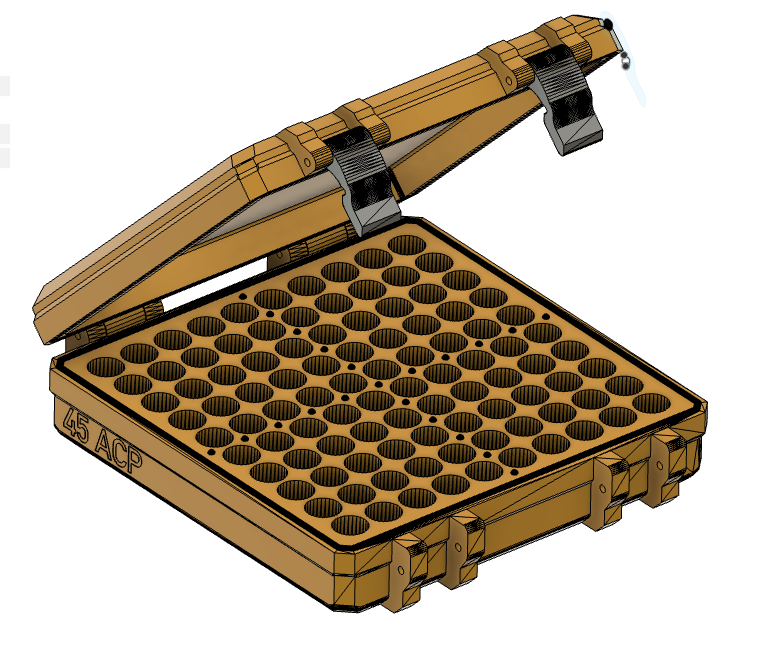
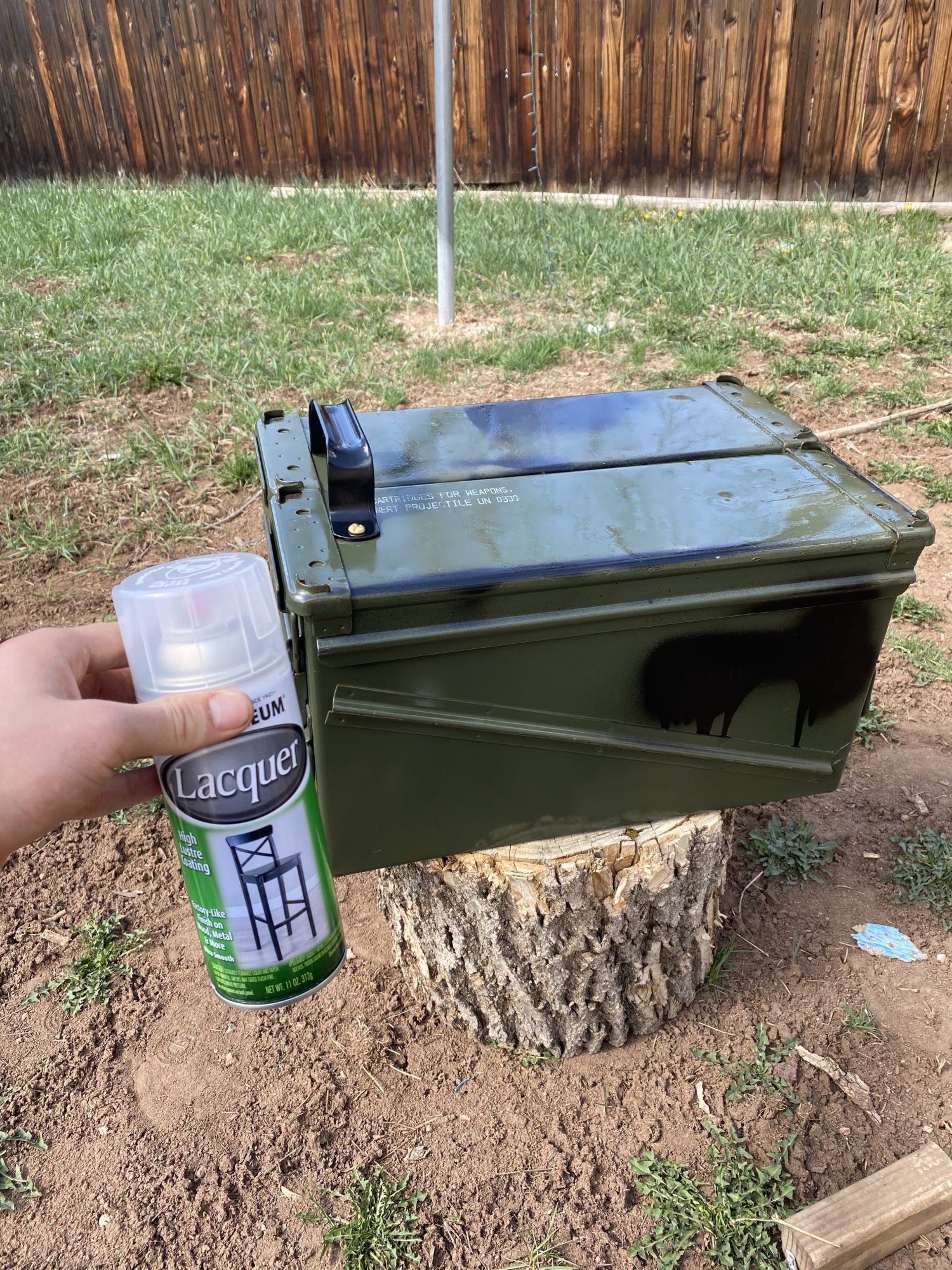
Keep rifle ammo in its original box or a dedicated ammo can, sealed with a desiccant pack to fight moisture. Ammunition for Sale Store it in a cool, dry place—avoid attics or garages where temperature swings cause condensation, which degrades primers and powder. When handling, always check each round for dents, corrosion, or loose bullets before loading; toss any suspect rounds. Rotate your stock by using older boxes first, and never mix calibers in the same container. A quick tip: label your cans with the load and purchase date, so you know what’s fresh. And what’s the easiest way to avoid oil contamination? Keep ammo away from lubricated guns—store them separately so solvent doesn’t seep into the primers.
Best Practices for Keeping Your Ammunition Dry and Reliable
To keep rifle ammo reliable, prioritize **desiccant-packed, sealed ammo cans** over loose storage. Always wipe down cartridges before loading if they’ve been exposed to humidity, and avoid storing rounds in magazines long-term—springs and moisture create corrosion. Use silica gel packs and replace them quarterly, or invest in rechargeable dehumidifiers for your safe. Temperature swings cause condensation, so store ammo in a climate-stable room, never a garage or basement. Inspect for verdigris or discoloration monthly; discard any tarnished rounds, as they can cause pressure spikes. Rotate stock by date, using older ammunition first, and always re-seal opened boxes immediately.
Should you oil rifle ammunition to prevent rust? No—lubricants attract dirt and can penetrate primers, killing ignition. Instead, keep ammo in dry, airtight containers with desiccants; if you must handle it, use dry hands or cotton gloves. For long-term storage, add a light silicone-impregnated cloth *outside* the box, never on the cartridges themselves.
How to Inspect Your Supply for Corrosion, Dents, or Weak Primers
Before loading your magazine, **inspect each cartridge under direct light**. For corrosion, run a thumb across the case body and primer—look for green crust, black spots, or powdery residue, which indicate moisture damage. Check the neck and shoulder for dents by rolling the round on a flat surface; any wobble or visible crease compromises chambering and pressure integrity. For weak primers, press a fingertip lightly against the primer’s surface—it should sit flush or slightly recessed, never proud. Toss any round with a cratered or bulging primer, as that signals previous firing or impact. Rotate the bullet nose to feel for looseness, a sign of set-back. Finally, tap the round on a hard counter; a dull thud versus a sharp ring suggests internal corrosion.
Visually scan cases, 6.5 Creedmoor Ammo for Sale roll for dents, finger-check primer seating, and tap-test for sound—discard anything showing corrosion, deformation, or primer protrusion.
Understanding Lot Numbers and Why They Matter for Consistency
Every box of rifle ammo carries a lot number, a code identifying the specific production batch, and understanding it is your ticket specialty sports to consistent point-of-impact accuracy. Even within the same brand and load, subtle variations in powder, primers, and bullets occur between batches. When you find a lot that prints tight groups, buy a substantial quantity and store it together. Mixing lot numbers in your shooting session invites frustrating fliers, as each batch may have slightly different velocities or pressure curves. Track what you shoot by lot, logging zero shifts, so you can duplicate proven performance. For serious precision work, always segregate ammo by lot—your rifle rewards this disciplined attention.
Getting the Most Accuracy from Your Specific Firearm
Achieving maximum rifle accuracy starts with treating your firearm and ammo as a single system. First, test multiple bullet weights and brands to find what your specific barrel twist rate stabilizes best; a half-inch group with one load can become two inches with another. Once you identify a promising cartridge, meticulously check your scope mounts and action screws for consistent torque, as even slight shifts alter harmonics. Crucially, track your rifle’s point of impact across different temperature and lot numbers—powder variations shift zero. Finally, clean your bore methodically and fire fouling shots before a group, since copper buildup changes pressure and velocity. Your goal is a repeatable load, not a random lucky shot. Mastering this load-development process is the only path to precision rifle shooting that matches your rig’s true potential.
The Art of Handloading vs. Buying Factory Rounds for Precision
Handloading for precision means tailoring each component—bullet seating depth, neck tension, and powder charge—to your specific chamber’s throat, while factory rounds force you to adapt to their generic tolerances. The true edge of handloading lies in incremental charge testing (0.1-grain steps) to find your rifle’s accuracy node, which no factory lot can replicate consistently. However, premium factory ammunition with match-grade bullets and uniform brass can shoot sub-MOA if your rifle prefers its particular pressure curve. For the practical shooter, handloading offers load development control that factory rounds cannot match, but only if you invest in a chronograph and concentricity gauge. Factory ammo wins on time and lot-to-lot consistency; handloading wins on fine-tuning for your barrel’s harmonics.
How Barrel Twist Rate Influences Your Choice of Bullet Weight
Your barrel’s twist rate—the inches of rifling per full revolution, like 1:8 or 1:12—dictates the optimal bullet weight. Faster twists (1:7, 1:8) stabilize longer, heavier projectiles because they need higher spin to overcome yaw, while slower twists (1:12, 1:14) suit lighter, shorter bullets, which can over-stabilize or fragment at excessive spin. Match your ammo’s weight to the twist: a 55-grain in a 1:12 will shoot tighter than a 77-grain, which may keyhole or tumble. Conversely, a 1:7 barrel demands 62–77-grain loads for maximum precision with heavy bullets. Test 3–4 weights to find the tightest group for your specific rate.
- Check the barrel’s stamped twist rate (e.g., 1:9) and select bullets within its recommended weight range for stability.
- Heavier bullets require faster twists; lighter bullets perform best in slower twists to avoid excessive spin-induced drift.
- Ignoring twist rate leads to poor accuracy, keyholing, or premature bullet destabilization at longer distances.
Zeroing Your Optic with Different Loads for Consistent Shot Placement
Zeroing your optic with different loads demands a dedicated session for each ammunition type, as point of impact often shifts between bullet weights and velocities. To achieve consistent shot placement, begin at a known distance like 100 yards, firing a three-shot group to establish a baseline before adjusting your turrets. Once zeroed for that specific load, record the exact settings in a logbook, noting the ammunition name and lot number, since even same-brand batches can vary. When switching between hunting and practice rounds, you must re-confirm zero rather than trusting a previous setting. For maximum consistency, always use the same shooting position and follow-through, letting the rifle recoil naturally without forcing a grip change that alters harmonics. A cold-bore shot is also critical to document, as your first round often prints differently, revealing true zero conditions for real-world use.
Budgeting and Buying Strategies Without Sacrificing Quality
Stretching your rifle ammo budget starts with buying in bulk—case quantities typically cut per-round Handgun Ammo for Sale costs by 15–20% without touching performance. Focus on proven budget-friendly brands like Sellier & Bellot or PMC, which deliver reliable accuracy for practice while you reserve premium match loads for competition or zeroing. Watch for rebate seasons and free-shipping thresholds from major retailers, then stack those with loyalty points to shave extra dollars off your total. Reloading your own brass isn’t just a hobby; it’s the ultimate long-term play, letting you reuse cases and tailor bullet weights to your rifle’s sweet spot. Yet, the real trick is knowing when to splurge—cheap steel-case ammo can wear your barrel faster, costing more in replacements than you saved at the register. Always compare cost per round, not box price, and stock up when your preferred load dips below its typical street price.
Buying in Bulk: Calculating Cost Per Round and Saving Money
When you buy rifle ammo in bulk, the real victory is in the arithmetic, not the box size. Calculate cost per round by dividing the total price—including shipping and any tax—by the number of cartridges; this reveals the true savings over individual boxes, often cutting 15–30% off your per-shot expense. To maximize value, scout for bulk deals on the same lot number to keep accuracy consistent, then store them properly in ammo cans. A smart sequence: compare three vendors, compute the per-round cost, verify the lot’s date, and commit to a case (500–1,000 rounds). This locks in lower cost per round without ever sacrificing the quality your rifle demands.
When to Splurge on Premium Ammo vs. Sticking with Plinking Rounds
Reserve premium rifle ammunition for 7mm WSM Ammo for Sale tasks where terminal performance or sub-MOA consistency directly impacts the outcome, such as hunting ethical shots or zeroing a scope for a long-range match. For casual range sessions, plinking rounds with bulk FMJ bullets are the logical financial choice, as they reliably cycle actions and build muscle memory without burning cash. Spend extra on match-grade offerings only when validating a new optic or shooting at distances beyond 300 yards, where velocity variance becomes measurable. Otherwise, cheaper loads are adequate, but never rely on them for final zero confirmation. Strategic ammo budgeting prioritizes premium rounds for validation and hunting, while reserving plinking rounds for high-volume practice.
- Use plinking rounds for routine drills and barrel break-in where precision is less critical.
- Splurge on bonded or monolithic bullets for dangerous game or deep-penetration hunting scenarios.
- Choose premium loads for cold-bore shots or competition stages where a single flyer ruins a score.
- Stick with budget ammo for suppressed shooting, as subsonic velocities rarely benefit from expensive match projectiles.
Spotting Reliable Brands and Avoiding Common Counterfeit Pitfalls
When budgeting for rifle ammo, prioritize manufacturers with transparent lot numbering and published ballistic data, as consistent headstamp markings and sealed primer pockets indicate genuine factory production. Avoiding common counterfeit pitfalls requires inspecting box artwork for smudged fonts and verifying the lot code matches the cartridge base—fakes often skip this detail. Stick to brands with established retail chains and direct warranty claims, like Federal or Hornady, and be wary of “deals” on obscure rebrands with generic packaging. If the price undercuts major sellers by over 20%, the ammo is likely relabeled surplus or reloaded scrap, not a true bargain. Test a single box before bulk purchase, and check for uniform case length and primer seating depth under magnification.
Reliable rifle ammo comes from verifiable lot codes and consistent crimp; counterfeit pitfalls lurk in mismatched packaging, vague branding, and pricing too low for the listed grain weight—trust only traceable factory channels.